30 seconds summary
- After a workout, natural remedies can help muscles recover faster and reduce soreness. Hydration (water or coconut water) replaces lost fluids and prevents cramps. Magnesium-rich foods like bananas, almonds, and spinach help relax muscles.
- Turmeric or ginger reduce inflammation naturally. Epsom salt baths provide magnesium that may ease muscle tension.
- Gentle stretching, foam rolling, and good sleep improve blood flow and repair muscle fibers. Together, these natural methods support faster recovery and keep muscles relaxed without relying on medication.
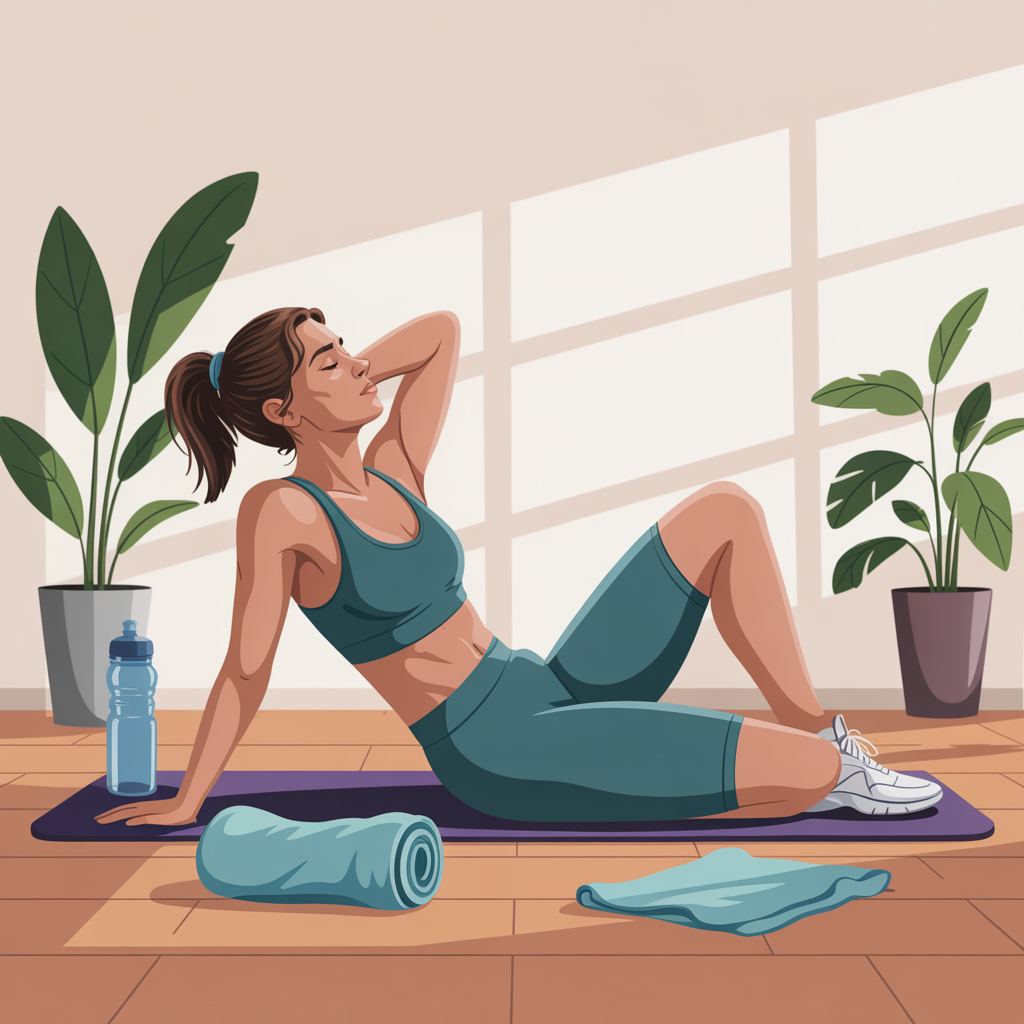 Regular exercise improves strength, endurance, and overall health. However, intense workouts often lead to muscle soreness, fatigue, and joint stress. Recovery is just as important as the workout itself because it allows the body to repair damaged muscle fibers, reduce inflammation, and restore energy levels. Without proper recovery, athletes and fitness enthusiasts may experience prolonged soreness, injuries, and decreased performance.
Natural remedies offer effective and safe ways to enhance post-workout recovery and muscle relaxation. These remedies include proper nutrition, hydration, herbal therapies, massage techniques, stretching, rest, and supportive tools such as wrist supports. This article explores various natural strategies that help the body recover efficiently after exercise while promoting muscle relaxation and joint stability.
Understanding Post-Workout Muscle Stress
During exercise, muscles undergo microscopic damage due to repeated contractions. This process is normal and necessary for muscle growth. However, it often results in delayed onset muscle soreness (DOMS), which typically appears 12–48 hours after intense physical activity.
Common symptoms of post-workout muscle stress include:
- Muscle stiffness
- Fatigue
- Swelling
- Reduced range of motion
- Mild joint discomfort
Proper recovery methods help reduce these symptoms by improving blood circulation, reducing inflammation, and supporting muscle repair.
Importance of Natural Recovery Methods
Natural recovery methods focus on supporting the body’s natural healing processes rather than relying on synthetic medications. These methods are preferred by athletes, trainers, and wellness experts because they are safe, sustainable, and beneficial for long-term health.
Benefits of natural recovery include:
- Reduced muscle soreness
- Faster healing of micro-tears
- Improved flexibility
- Reduced inflammation
- Better sleep and relaxation
- Lower risk of injury
Incorporating these remedies into a fitness routine helps maintain optimal performance and physical well-being.
Hydration for Muscle Recovery
One of the most essential yet overlooked aspects of post-workout recovery is hydration. During exercise, the body loses fluids through sweat. This fluid loss can lead to muscle cramps, fatigue, and slower recovery.
Drinking sufficient water helps:
- Transport nutrients to muscles
- Remove metabolic waste
- Maintain electrolyte balance
- Prevent dehydration
Natural hydration options include:
- Coconut water
- Lemon water with honey
- Herbal teas
- Fruit-infused water
Coconut water is particularly beneficial because it contains natural electrolytes such as potassium and magnesium that help restore muscle function.
Nutrition for Muscle Repair
Food plays a critical role in post-workout recovery. After exercise, muscles require nutrients to repair damaged fibers and replenish glycogen stores.
Protein Sources
Protein provides amino acids that help rebuild muscle tissue. Natural protein sources include:
- Eggs
- Greek yogurt
- Lentils
- Chickpeas
- Fish
- Nuts and seeds
Consuming protein within 30–60 minutes after exercise can significantly enhance muscle repair.
Anti-Inflammatory Foods
Certain foods naturally reduce inflammation and muscle soreness. Examples include:
- Turmeric
- Ginger
- Berries
- Leafy greens
- Olive oil
Turmeric contains curcumin, a powerful compound known for its anti-inflammatory properties.
Herbal Remedies for Muscle Relaxation
Herbal remedies have been used for centuries to relieve muscle tension and promote relaxation.
Turmeric and Ginger
Turmeric and ginger are widely known for reducing inflammation and improving circulation. Drinking turmeric milk or ginger tea after workouts can help soothe sore muscles.
Chamomile Tea
Chamomile tea helps relax muscles and improve sleep quality. Adequate sleep is crucial for muscle recovery because growth hormones are released during deep sleep.
Epsom Salt
Epsom salt baths are another effective remedy. Magnesium sulfate in Epsom salt helps relax muscles and reduce soreness when absorbed through the skin.
Stretching and Mobility Exercises
Stretching after a workout helps maintain flexibility and prevent muscle tightness. Gentle stretching increases blood flow to muscles and accelerates the healing process.
Common post-workout stretches include:
- Hamstring stretch
- Quadriceps stretch
- Shoulder stretch
- Back stretch
Each stretch should be held for 15–30 seconds without bouncing to avoid strain.
Yoga and mobility exercises are also excellent for promoting muscle relaxation. Practices such as deep breathing and slow movements help calm the nervous system and reduce physical tension.
Massage Therapy
Massage therapy is a highly effective natural recovery method. It improves blood circulation, reduces muscle stiffness, and promotes relaxation.
Benefits of massage include:
- Reduced muscle soreness
- Increased flexibility
- Improved circulation
- Faster removal of lactic acid buildup
Athletes often use foam rollers or massage balls for self-massage techniques. Foam rolling targets tight muscle areas and breaks up knots in muscle fibers.
Natural massage oils can further enhance recovery. Popular options include:
- Coconut oil
- Lavender oil
- Peppermint oil
- Eucalyptus oil
These oils contain natural compounds that promote relaxation and reduce inflammation.
Cold and Heat Therapy
Alternating between cold and heat therapy can help relieve muscle soreness.
Cold Therapy
Cold therapy reduces inflammation and numbs pain. Ice packs applied to sore areas for 10–15 minutes can help reduce swelling.
Heat Therapy
Heat therapy increases blood flow and relaxes tight muscles. Warm showers, heating pads, or warm compresses can be used to relieve stiffness.
Using cold therapy immediately after exercise and heat therapy later during recovery is often the most effective approach.
Importance of Rest and Sleep
Rest is one of the most powerful recovery tools. Without adequate rest, the body cannot repair muscle fibers effectively.
During sleep, the body:
- Repairs damaged tissues
- Replenishes energy stores
- Releases growth hormones
Experts recommend 7–9 hours of quality sleep per night for optimal recovery.
Short rest days between intense workout sessions are also important to prevent overtraining and injuries.
Wrist Support for Post-Workout Recovery
While muscle soreness is common after workouts, joints such as the wrists are particularly vulnerable to strain. This is especially true for exercises like push-ups, weightlifting, planks, and resistance training.
Using wrist support can help protect the joint and reduce discomfort during recovery.
Why Wrist Support is Important
The wrist joint is relatively small but experiences significant pressure during many exercises. Overuse or improper form can lead to:
- Wrist strain
- Tendon inflammation
- Reduced grip strength
- Pain during movement
Wrist supports help stabilize the joint and reduce excessive movement that can cause injury.
Types of Wrist Support
There are several types of wrist support designed for exercise and recovery.
Wrist Wraps
Wrist wraps are commonly used by weightlifters. They provide firm compression and help maintain proper wrist alignment during heavy lifting.
Compression Wrist Sleeves
Compression sleeves improve blood circulation around the wrist joint. This helps reduce swelling and promotes faster recovery.
Adjustable Wrist Braces
Adjustable braces provide stronger support and are often used when recovering from mild wrist injuries or strains.
Benefits of Wrist Support
Using wrist support during workouts and recovery offers several benefits:
- Stabilizes the wrist joint
- Reduces risk of injury
- Improves lifting technique
- Minimizes strain on tendons
- Enhances grip strength
For individuals who frequently perform strength training exercises, wrist supports can be an essential protective tool.
Natural Topical Remedies for Muscle Relief
Natural topical treatments can provide quick relief from muscle soreness.
Aloe Vera Gel
Aloe vera has cooling and anti-inflammatory properties that soothe sore muscles and joints.
Arnica Oil
Arnica is widely used in natural medicine to reduce muscle pain and bruising. Applying arnica oil or cream to sore areas may help speed up recovery.
Capsaicin Cream
Capsaicin, derived from chili peppers, produces a warming sensation that can relieve muscle stiffness and improve blood flow.
Breathing and Relaxation Techniques
Mental relaxation plays an important role in physical recovery. Stress can increase muscle tension and delay healing.
Deep breathing exercises help activate the parasympathetic nervous system, which promotes relaxation and recovery.
Examples include:
- Diaphragmatic breathing
- Meditation
- Guided relaxation
Practicing these techniques for 10–15 minutes after workouts can help calm the body and reduce fatigue.
The Role of Active Recovery
Active recovery involves performing low-intensity physical activity after intense workouts. Instead of complete rest, gentle movement helps keep muscles flexible and improves circulation.
Examples of active recovery activities include:
- Walking
- Swimming
- Cycling
- Light yoga
These activities help flush out metabolic waste products and reduce muscle stiffness.
Importance of Consistency in Recovery Practices
Recovery should not be treated as an occasional activity. Consistent recovery practices help maintain long-term fitness and prevent injuries.
Athletes who prioritize recovery often experience:
- Improved endurance
- Faster muscle growth
- Better joint health
- Reduced fatigue
Combining multiple natural remedies such as hydration, nutrition, stretching, and wrist support creates a comprehensive recovery strategy.
Preventing Workout-Related Injuries
Preventing injuries is easier than treating them. Proper warm-up routines prepare muscles and joints for physical activity.
Effective warm-up activities include:
- Light cardio
- Dynamic stretching
- Mobility exercises
Additionally, maintaining proper form during exercises and gradually increasing workout intensity can significantly reduce injury risk.
Using supportive equipment such as wrist supports when necessary adds an extra layer of protection.
Conclusion
Post-workout recovery is a crucial part of any fitness routine. While intense exercise strengthens muscles and improves health, the recovery phase allows the body to repair and rebuild itself. Natural remedies provide safe and effective ways to enhance recovery and promote muscle relaxation.
Hydration, balanced nutrition, herbal remedies, stretching, massage therapy, and adequate rest all contribute to faster healing and reduced soreness. Techniques such as cold and heat therapy, breathing exercises, and active recovery further support the body’s natural repair processes.
Wrist support also plays an important role in protecting joints during and after workouts. By stabilizing the wrist joint and reducing strain, supportive gear can help prevent injuries and improve overall performance.
Adopting a holistic recovery approach ensures that the body remains strong, flexible, and resilient. When natural remedies are combined with proper exercise techniques and supportive equipment, individuals can enjoy the full benefits of physical activity while minimizing discomfort and injury risk.
 30 seconds summary
 January Buzz
 High-Intensity Interval Training (HIIT) is a form of cardiovascular exercise that alternates between short bursts of intense activity and periods of lower-intensity exercise or rest. The primary goal of HIIT is to push your body to work at its maximum effort during the high-intensity intervals, followed by brief recovery or rest periods.
 For figure competitions and similar events, female cosmetic preparation involves several aspects, including grooming, hair, makeup, and tanning. These elements contribute to an overall polished and stage-ready appearance. Here are some key aspects of female cosmetic preparation for such competitions:
 Fitness and figure competitions are a category within bodybuilding where participants, both men and women, showcase their physiques in a highly competitive and judged environment. These competitions emphasize muscle definition, symmetry, and overall presentation. Participants are judged on criteria such as muscle tone, proportion, and overall aesthetics.
 In addition to figure competitions, there are other categories in bodybuilding, such as bodybuilding, bikini, physique, and classic physique, each with its own set of criteria and guidelines. These events often require rigorous training, strict dieting, and dedication to achieve the desired physique for competition. There are a number of figure competition diets available.
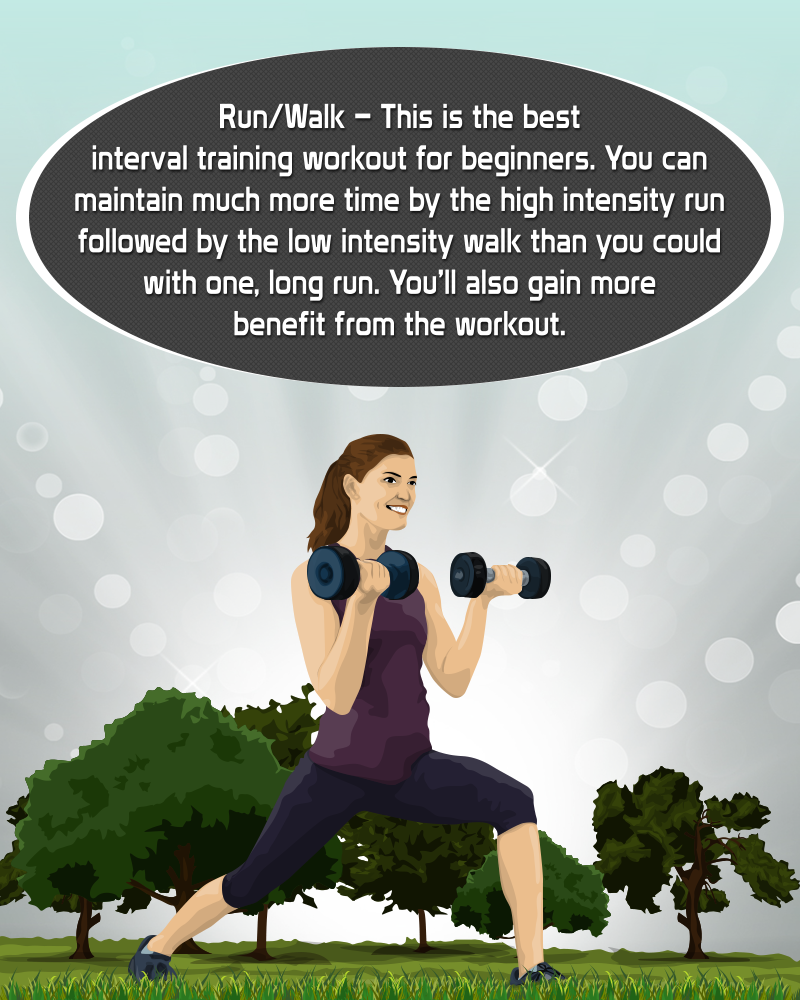 Many people think of athletes when they hear the words “mental toughness”. After all, athletes have to push beyond their limits in order to see the success they are looking for and there are certain traits that successful athletes all have in common. When you combine these traits you have a mentally tough athlete.
 This is the drive that keeps you going in your chosen direction when you are faced with pressure or stress.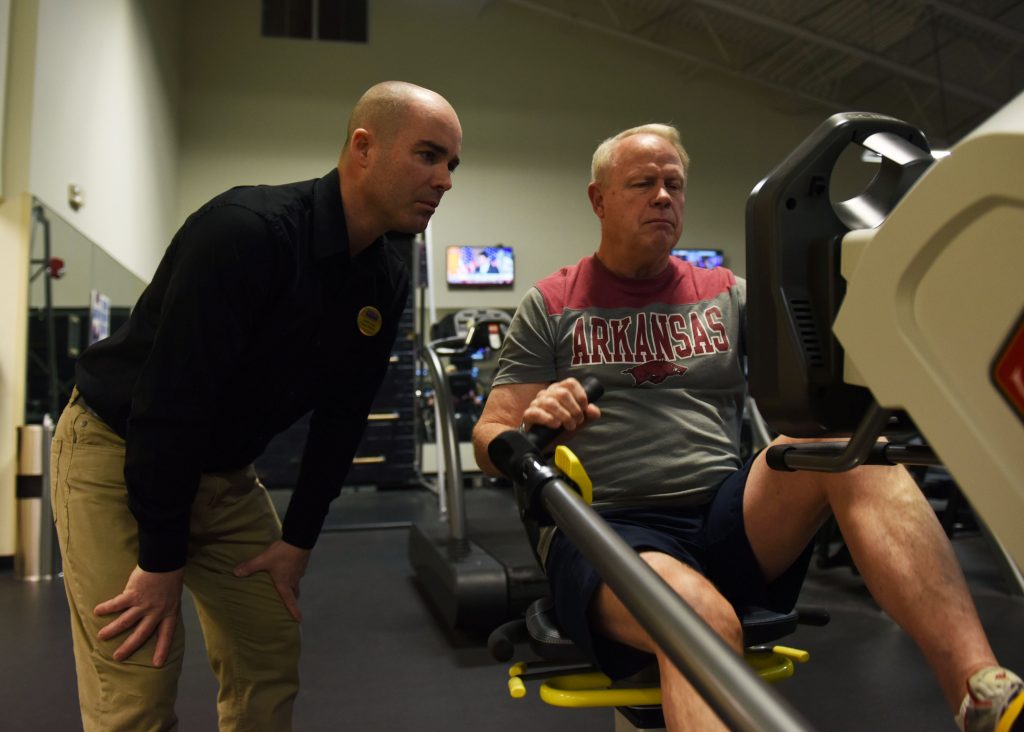
 We can all keep fit – or at least keep in shape. We all know that the majority of us aren’t living in our bodies at their peak condition. As humans, we live in a constant state of exhaustion. That’s because most of us don’t exercise often enough. With that said, here are some ways to keep fit:
 When it comes to dieting and trying to lose weight, one of the most effective strategies to do so successfully is by implementing a carb cycling approach. Essentially, carb cycling is a program where you effectively mix high carbohydrate intake days with low intake days in an effort to consistently shock the system without suffering from some of the different negative symptoms and consequences of a purely low carbohydrate diet. Some of the main side effects can manifest into lower overall performance during exercise, increased hunger and craving, lowered metabolic rate, and even having difficulty concentrating for long periods of time. By cycling your intake of carbs, you should be able to properly off-set some of the factors that will help minimize the overall impact of them. In this article, we will be discussing some of the benefits and things you should know about this kind of diet plan.
 Have you ever thought about entering a women’s figure competition? Or even a men’s competition, come to that, because most of what this article is about applies equally to anyone interested in body building.